
Skip to content
Clear communicationFree inspections
Call now (239) 555-0157
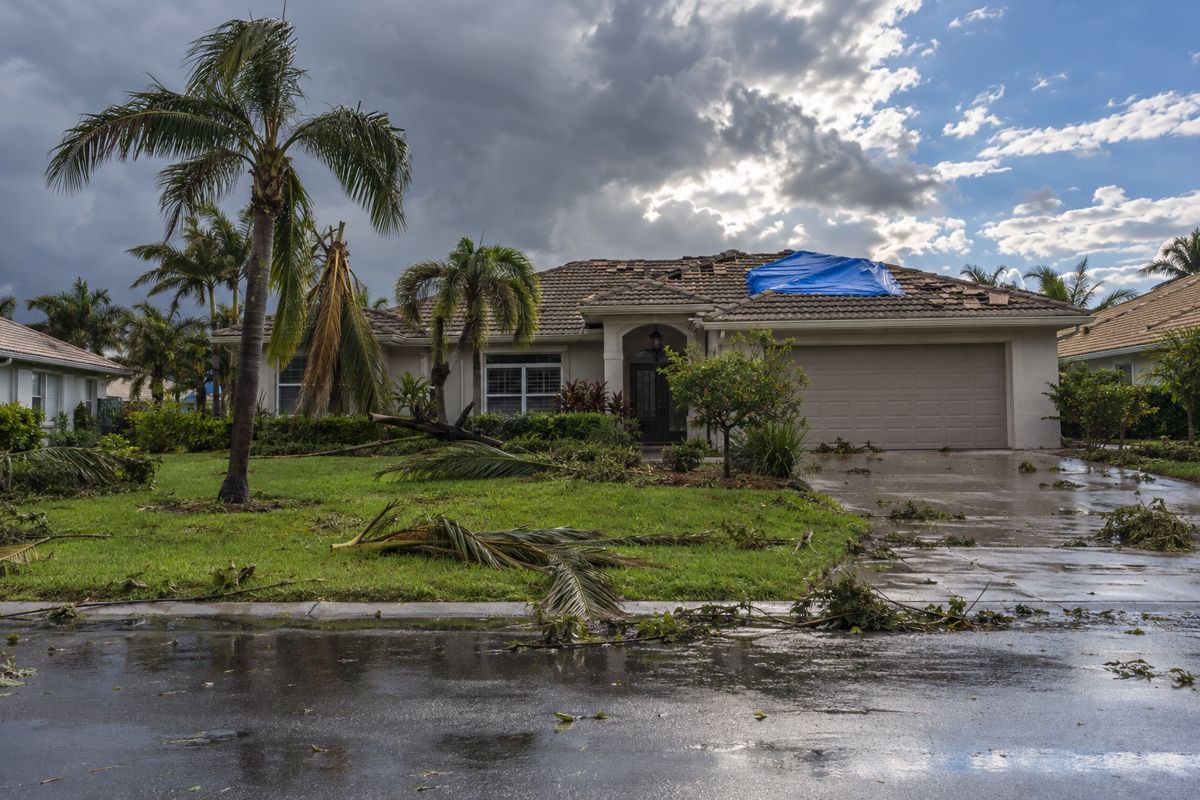
Blue tarp over damaged tile section and palm debris on a lawn after a storm

Storm and hail damage

Storm damage roof repair in Cape Coral after wind and rain

After a storm, the first goal is keeping water out. The next is documenting the damage so your claim and your repair line up.

  • Wind, debris and driving rain damage
  • Temporary protection and permanent repair
  • Photos and a written scope for your insurer

What does storm damage look like on a Cape Coral roof?

Hail is uncommon in Southwest Florida, so most claims here come from wind, flying debris and rain pushed sideways by thunderstorms, tropical storms and hurricanes. Damage is not always visible from the ground. Look for:

  • Shingles that are missing, creased or lifted at the edges
  • Tile that has slipped, cracked or blown off
  • Bent or loose ridge caps and rake edges
  • Torn flashing at walls, vents and chimneys
  • Dents, punctures or scrapes from branches, palm fronds and loose debris
  • Damaged gutters, soffits and fascia
  • Lanai roofs, pool cages and screened enclosures that were pulled away from the house

A damp attic, a new stain or a drip after a storm can mean damage you cannot yet see. Treat those as signs to have the roof looked at.

What should I do first after a storm?

Safety comes before the roof. Follow this order:

  1. Stay off the roof, especially wet tile, and keep clear of downed power lines.
  2. Take photos and short video of the outside, the ceilings and the attic before anything is moved.
  3. Stop active water with buckets, plastic sheeting inside and by moving belongings away.
  4. Call your insurance company to open a claim and ask what it needs from you.
  5. Arrange temporary protection, such as a tarp, if the roof is open to the weather.
  6. Get a written inspection or estimate from a contractor you have checked.
  7. Keep every receipt for emergency work and hotel stays, since your policy may cover some of them.

If the leak is smaller and you are not sure of the cause, our roof repair page explains how leaks are traced.

What changes the cost of storm damage repair?

Storm repairs range from replacing a few shingles to rebuilding a whole slope. The price depends on:

  • How much of the roof is damaged and how many slopes are involved
  • Whether the deck is wet, cracked or torn and needs replacing
  • Material availability, because tile and metal can be hard to find after a big storm
  • Whether a tarp or other temporary cover is needed first
  • Code upgrades that apply once the repair passes a certain size
  • Any extra damage to gutters, skylights, soffits or screened enclosures

Insurance may cover part of the work, but covered amounts depend on your policy, your deductible and the insurer's findings. A contractor should give you a written scope that you can send to the adjuster.

There are two stages. Temporary protection comes first and is often done quickly when the weather allows. The permanent repair follows after the insurer has seen the damage, a scope is agreed and the materials are ordered.

After a major hurricane, the whole area needs roofers at once, and delivery times for tile, shingles and metal can stretch. We cannot promise a start date for everyone, and a contractor who does so before they have seen your roof should make you cautious. Ask for a realistic timeline, ask what could delay it and ask who to call if the temporary cover fails.

For a full roof, permitting and inspections apply just as in any other job, so plan on both. If the damage is severe enough that repair does not make sense, see roof replacement.

How do insurance claims and contractors work after a storm?

After a hurricane, door-to-door contractors often appear from out of the area. Take your time. Verify the state license, ask for proof of insurance and local references, and get the scope in writing before you sign.

Florida has tightened rules on how contractors may handle insurance claims. In general, a contractor may not waive or absorb your deductible, and rules around assigning your claim to someone else have changed. Ask your insurer and a qualified professional what applies to you before you hand over any claim rights or sign anything with a blank amount.

Time limits apply to filing storm claims, so contact your insurer early. If you want an independent record of the roof first, a roof inspection documents its condition. You can also return to the home page to see all services.

What you can expect

  • Clear communication

  • Free inspections

  • Written estimates

  • Local crew

Questions about roofing in Cape Coral

Does hail damage roofs in Cape Coral?

It can, but hail is uncommon in Southwest Florida. Most storm damage here comes from strong wind, flying debris and wind-driven rain. If a storm did drop hail, look for dents in metal, bruised or cracked shingles and damaged gutters, and have the roof checked. Whatever the cause, document what you see before anything is repaired.

Can you put a tarp on my roof?

Temporary protection such as a tarp is often the first step after storm damage. When you call, ask whether the contractor can do it, what it includes and how long it is meant to last. A tarp is a short-term fix, not a repair. Keep photos of the damage before it goes on and keep the receipt for your insurer.

How soon should I file an insurance claim?

As soon as it is safe. Florida sets time limits for filing storm-related claims, and waiting can complicate them. Call your insurer, ask about the deadline for your policy and keep a record of every conversation. Do not wait for repair estimates before opening the claim.

Should I sign a contract right after a storm?

Slow down first. Get at least two written estimates, check the license of each contractor on the state website and read the contract in full. Avoid any contract with blank spaces, any request for the full payment up front and any promise to cover your deductible. A reputable contractor will give you time to read.

Does a hurricane deductible apply to roof damage?

Many Florida policies use a separate, higher hurricane deductible, often set as a percentage of the insured value of the home. Whether it applies depends on the storm and your policy language. Check your declarations page or ask your insurer before you decide between a claim and paying for a smaller repair yourself.

My roof looks fine but the attic is damp. What now?

Moisture in the attic means water is getting in somewhere. It may be a lifted shingle, damaged flashing or a vent that was pushed open. Take photos of the damp area, avoid touching wet insulation near wiring and get the roof checked. Early action usually costs less than repairing mold or soaked drywall later.

How it works

  1. Call or request a quote

    Tell us what is happening with the roof.

  2. Free inspection

    A roofer checks the roof and gives a written price.

  3. Work done right

    Clean crew, nail sweep, warranty in writing.

Request storm and hail damage

Tell us what you need and we call you back.

No obligation.

Step 1 of 3

What do you need?

Ready when you are. Call now or request a quote online.