
Skip to content
Clear communicationFree inspections
Call now (239) 555-0157
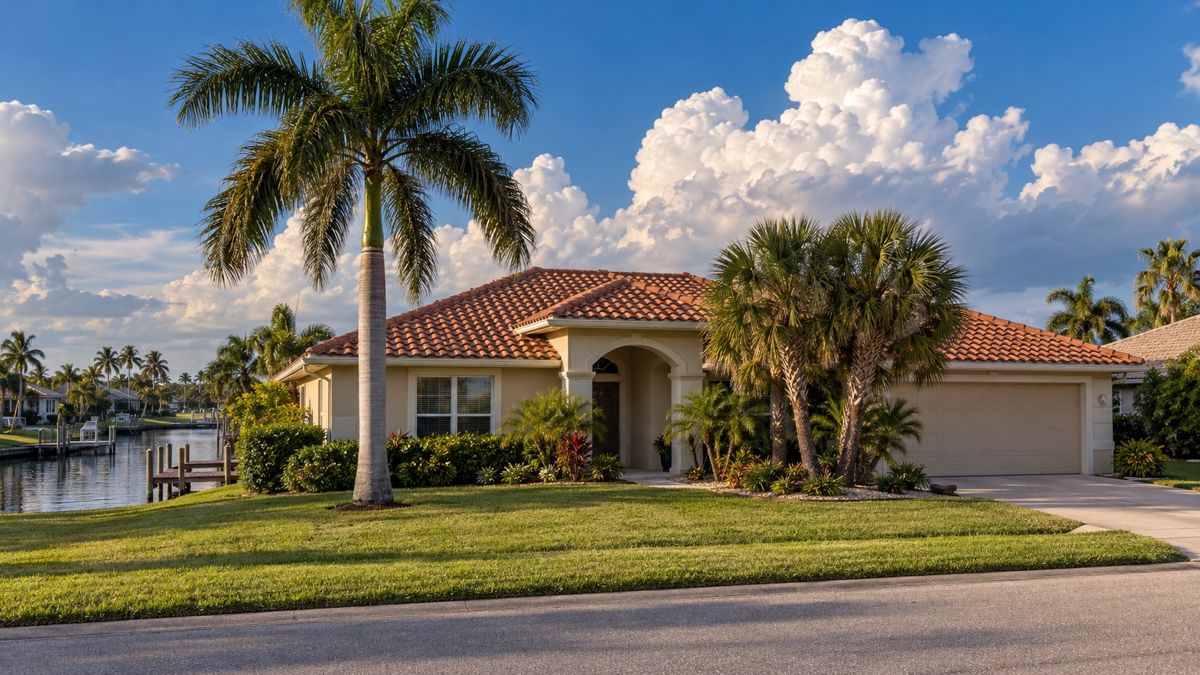
Terracotta tile roof on a stucco home with palm trees in Cape Coral

Marina living and Mediterranean tile

Roofing in Cape Harbour for tile roofs, townhomes and marina buildings

Tile, shingle and low-slope roof work for Cape Harbour. Send a quote request and we will confirm availability for your building.

  • Tile, shingle and metal roofs
  • Inspections for insurance and home sales
  • Written quotes before work starts
  • Clear communication
  • Free inspections
  • Written estimates
  • Local crew

Roofs in a marina community

Cape Harbour is a waterfront community in the southeast corner of Cape Coral, where the canals meet the Caloosahatchee River and the Gulf. It combines private homes, townhomes, condos, a marina and a cluster of shops and restaurants.

The look is largely Mediterranean, with tile roofs in terracotta and sand tones, balconies, arches and towers. Those details make roofing more intricate than on a plain ranch house. Hips, valleys, tower caps and parapet walls all need good flashing. We study the roof plan, the tile profile and the surrounding details before we write a scope.

Tile roofs and what keeps them watertight

Tile gives a roof its look, but the tile itself is not what stops the water. The underlayment beneath it does most of that work, and it ages faster than the tile above. Sun, heat and salt air wear it down over time.

That means a tile roof that looks fine can still leak at the underlayment, at flashing or where tiles are broken. Replacing it often means lifting and relaying tile, checking the deck, installing new underlayment and setting the tile back. Some tile can be reused, and some breaks in the process. We explain how much is likely and note the cost factor in the quote.

Roofing services for Cape Harbour buildings

All five of our services can be requested for Cape Harbour.

Condo and commercial roofs are quoted by section so a board can compare them.

Many Cape Harbour buildings fall under an association or a condo board, and those groups usually have rules on materials, colors and contractor paperwork. They may also require notice to residents, set working hours and ask for proof of coverage.

We suggest that you give us the association's guidelines before the quote is written, so we can price to them. For condos, one roof often serves many owners, and decisions run through the board. We can prepare a written scope and photographs for a board meeting. Approval is for the board and the city to decide, and timelines vary, so allow time before you plan a start date.

Wind off the water and commercial details

Wind and rain come from open water, and storms arrive with force. The commercial and mixed-use buildings often combine pitched tile roofs with flat or low-slope sections, and the junction between them is a typical weak point.

  • Drains, scuppers and gutters must be clear so that water leaves quickly.
  • Rooftop equipment needs sealed curbs and supports.
  • Parapet walls need proper coping and flashing.
  • Roof edges must meet Florida wind-uplift requirements.

We examine these points on any commercial or condo roof, and we write the findings in plain terms with photographs, so a board or owner can follow the story.

Requesting a quote for a Cape Harbour property

Call (239) 555-0157 or use the short form. We serve Cape Harbour, which lies inside our home city, but the request is still how we confirm availability and timing.

  1. Tell us the building type, the address and who makes decisions.
  2. Send photos of the roof, stains and any damaged tile.
  3. Attach association rules or a board contact.
  4. We schedule a roof visit with safe access.
  5. A written quote follows, naming each roof section, the tile or membrane and what is left out.

Visit the about page for more on how we quote.

Board contacts are welcome in the first message.

Get a quote in Cape Harbour

Tell us what you need and we call you back.

No obligation.

Step 1 of 3

What do you need?

Questions about Cape Harbour

How long does the underlayment under tile last?

That depends on the product, the sun and the ventilation, but underlayment usually wears out before the tile does. When it fails, leaks can appear even though the tile looks fine. A visit helps to judge its condition by checking exposed areas and the attic. We explain whether repair or relaying is the wiser choice.

Can broken tiles simply be swapped?

Single broken tiles can often be replaced, provided matching tile is available and the underlayment is sound. Color and profile change with age, so a perfect match is not always possible. We check the area around the damage for hidden problems and tell you if a patch is a short-term fix. Keeping a few spare tiles from the original job helps with matching.

Does my condo board decide who does the roof?

In most cases the board or management company controls roof work on a shared building, so the contractor has to be approved. We can supply a written scope, photographs and a quote for the board to review. Ask the board what paperwork it requires from any contractor. Ask the management company who the contact for contractors is.

What are the usual weak spots on a flat roof near the water?

Drains, seams, equipment curbs and the edges where the roof meets walls are common leak points. Ponding water speeds up wear. Salt and sun also age membranes and sealants. We look at each of these areas, take photos and describe which ones need work now. We also check the gutters or scuppers for debris. Photos help.

Do I need a permit for a tile roof replacement?

Almost always yes, because a replacement involves structural and wind-related requirements. Permit and inspection steps are part of the job, and the paperwork goes through the city. Your association may also need approval before the permit is requested. We note the expected steps in the quote. Condo boards often ask for a copy of the permit as well.

Ready when you are

Call now or request a quote online.

(239) 555-0157